Owning a plot is the first step toward building a dream home, but turning that empty piece of land into a comfortable and well-designed living space requires thoughtful planning. Good architecture is not about filling the plot with construction; it is about using the land wisely to create a home that feels open, functional, and future-ready.
Whether the plot is in a planned city or a growing residential area, the right design approach can make a significant difference in how the home looks, feels, and performs over time.
Start With Clear Planning, Not Construction
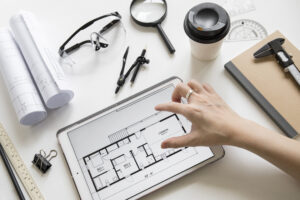
One of the most common mistakes homeowners make is starting construction too quickly. Before any building begins, it is important to understand the plot size, orientation, local regulations, and surrounding context. Sunlight direction, road access, setbacks, and ventilation opportunities should guide the layout.
Professional architectural planning ensures that the home fits the plot naturally instead of feeling forced. A well-planned layout helps avoid costly changes later and ensures better comfort from day one.
Design the Layout Around Daily Life
A good living space is designed around how people live, not just how a house looks from the outside. Daily routines, family size, privacy needs, and future plans should shape the design.
Living and dining areas should feel open and welcoming, while bedrooms need privacy and quiet. Kitchens should be placed for convenience and ventilation. When spaces are planned around real usage, the home feels effortless to live in.
Make the Most of Natural Light and Ventilation
Natural light and fresh air are essential for a healthy and comfortable home. Proper window placement, open areas, and smart orientation allow daylight to enter without overheating the space.
Cross ventilation helps maintain indoor comfort and reduces the need for artificial cooling. These design choices not only improve living quality but also lower long-term energy costs.
Balance Open Spaces and Built Areas
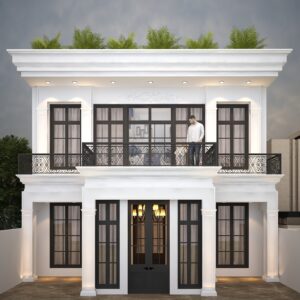
A well-designed home does not mean covering the entire plot with construction. Leaving space for balconies, courtyards, or small open areas improves airflow and creates visual breathing room.
Even compact plots can feel spacious when open areas are planned carefully. These spaces also add character and allow the home to connect with its surroundings.
Interior Design That Supports the Architecture
Interior planning should work hand in hand with architectural design. Storage, furniture placement, lighting, and materials should be considered early in the process.
Simple interiors with durable finishes age better and are easier to maintain. Instead of following short-term trends, focusing on timeless design ensures the home remains comfortable and visually balanced for years.
Plan for the Future
A well-designed living space should adapt to change. Families grow, work needs evolve, and lifestyles shift over time. Flexible rooms, extra storage, and provision for future expansion add long-term value to the home.
Designing with a future mindset reduces the need for major renovations later.
Quality Execution Matters
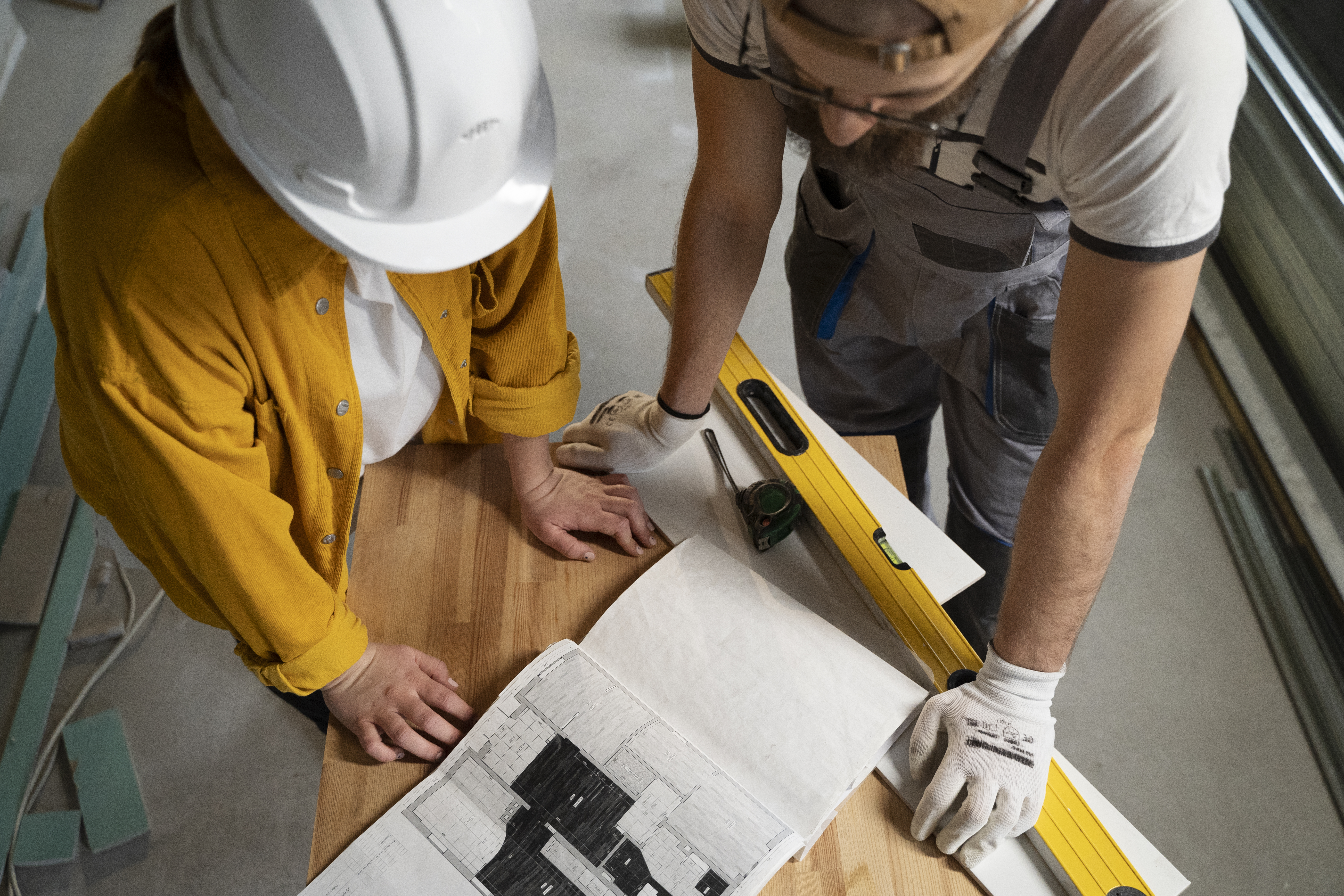
Even the best design can lose its impact if not executed properly. Coordinated planning between design and construction ensures that details are implemented correctly and materials are used efficiently.
Clear communication and proper supervision help turn design ideas into a finished home that matches expectations.
Conclusion
Turning a plot into a well-designed living space is a journey that requires patience, planning, and the right expertise. By focusing on thoughtful architecture, functional layouts, natural comfort, and long-term usability, a simple plot can be transformed into a home that truly supports everyday life.
A well-designed home is not just built—it is carefully planned to grow, adapt, and remain comfortable for years to come.