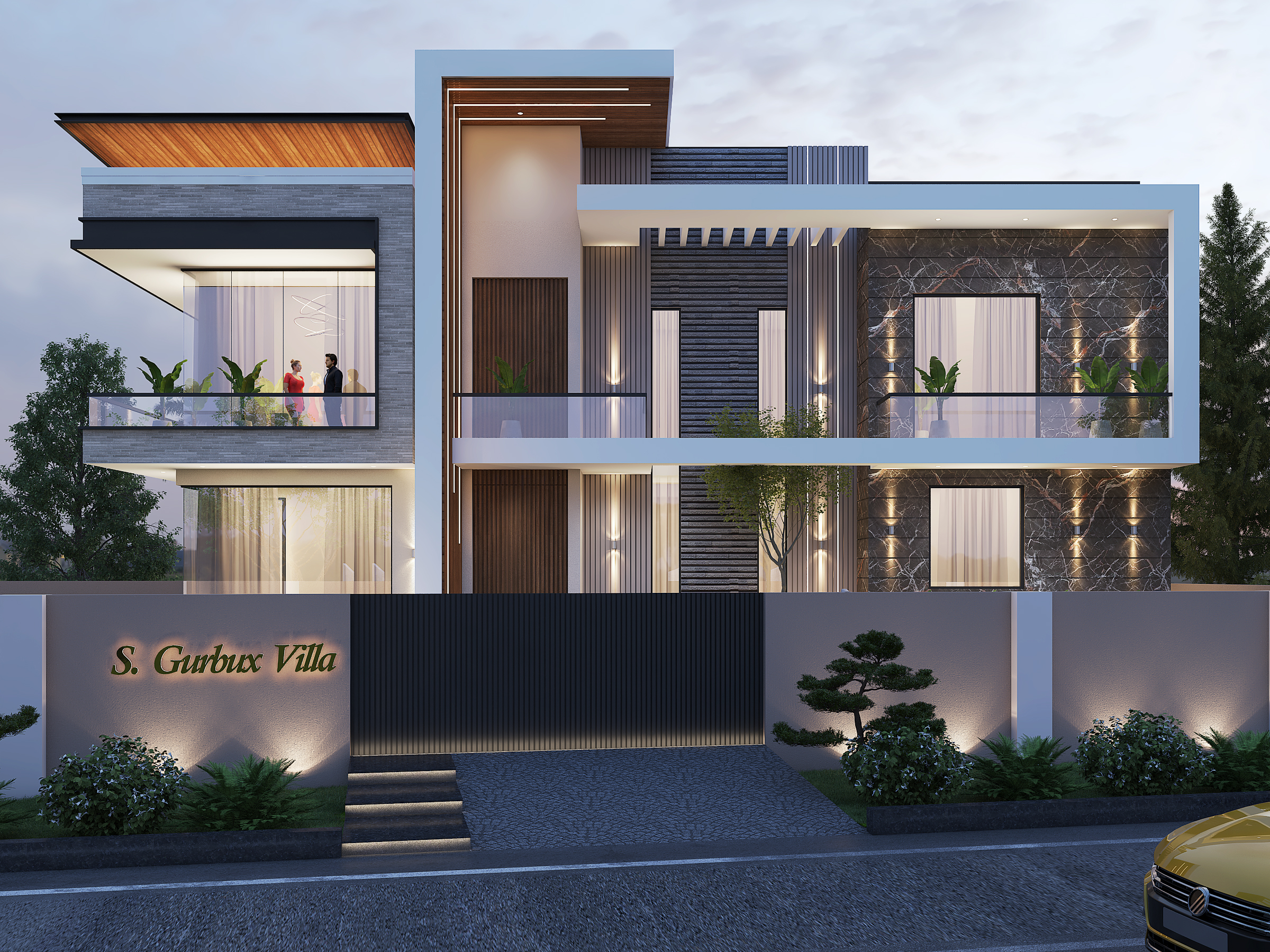
The way Indian homes are being designed is changing rapidly. Today, homeowners are not just looking for bigger spaces — they want smarter layouts, better natural light, improved ventilation, and homes that remain comfortable for years to come.
From our experience working on residential projects across Punjab, one thing is clear: families are becoming far more design-aware than before. They ask deeper questions about space planning, future expansion, energy efficiency, and long-term maintenance. This shift is pushing architects to think beyond basic floor plans and focus on homes that truly support modern lifestyles.
In this article, we’ll explore how residential architecture in India is evolving and what homeowners should realistically expect when planning a future-ready home.
Modern homeowners are more aware of how design affects comfort. They want homes that feel open, wel
l-lit, and easy to maintain. Large unused spaces and heavy decoration are slowly being replaced by practical layouts and clean design.
One major shift is the rise of multi-functional spaces. A single room may serve as a home office during the day and a guest room when needed. This flexibility is especially useful in urban areas where plot sizes are limited.
What We Commonly Observe in Modern Home Projects
While every family has unique requirements, certain patterns appear repeatedly during residential planning:
- Many plots are getting smaller, requiring smarter space use
- Clients increasingly demand more natural light and ventilation
- There is growing interest in low-maintenance materials
- Multi-purpose rooms are becoming essential after work-from-home trends
Addressing these realities early in the design phase helps avoid costly modifications later.
Another important trend is natural connection. People want more sunlight, fresh air, and greenery around their homes. Balconies, terraces, indoor plants, and courtyards are becoming popular again. These elements improve mental well-being and make homes feel more peaceful.
Technology is also shaping residential architecture. Smart lighting, security systems, and energy-efficient appliances are becoming common. However, good architecture still focuses on planning first—technology only supports it.
Sustainability is no longer optional. Future homes are being designed to reduce energy use and environmental impact. Proper orientation, ventilation, and material selection play a big role here. These choices lower electricity bills and improve comfort.
Privacy is another growing priority. As cities become denser, homeowners want smart layouts that maintain personal space without closing off the home completely. Zoning between public and private areas helps achieve this balance.
Importantly, future-ready homes are designed for long-term living. Families grow, needs change, and homes must adapt. Flexible layouts and expansion possibilities are now considered during the design stage.
The future of residential architecture in India is not about luxury—it is about better living. Thoughtful planning, sustainability, and comfort will define the homes of tomorrow.