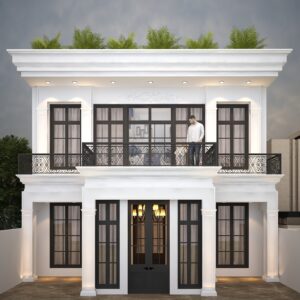
Building a home is one of the most long-term decisions a family makes. Unlike many other investments, a house is expected to remain comfortable, functional, and relevant for decades. Because of this, modern residential architecture is increasingly focused on designing homes that are future-ready.
A future-ready home is not about predicting every lifestyle change. Instead, it is about creating flexible spaces, smart infrastructure, and efficient layouts that can adapt as needs evolve over time.
From practical experience in residential design, homeowners who plan for the future during the architectural stage often avoid expensive renovations later. A thoughtful design approach can ensure that a home remains comfortable and efficient even 15–20 years after construction.
Why Future-Ready Design Matters Today
Families today live very differently compared to previous generations. Work patterns, technology, and daily routines are constantly evolving.
For example:
- Work-from-home spaces have become common.
- Smart technology is becoming standard in modern houses.
- Families prefer flexible rooms instead of rigid layouts.
- Energy efficiency is now a major concern.
These changes show why homes should not be designed only for present needs. Instead, architects must think about how the house might function many years later.
This is why many homeowners now consult residential architects in Jalandhar and other developing cities early in the planning stage to ensure the design remains adaptable.
Designing Flexible Living Spaces
One of the most important elements of a future-ready home is flexibility. Rooms should be designed so they can serve different purposes as the family’s needs change.
For instance:
- A guest room can later become a study or home office.
- A family lounge can convert into a children’s study area.
- A terrace can support future expansion.
- Storage spaces can be reconfigured when required.
Flexible planning ensures that the house grows with the family rather than becoming outdated.
Planning Infrastructure for Technology
Technology is evolving rapidly, and modern homes must be prepared to accommodate new systems.
Future-ready homes usually include provisions for:
- Structured wiring for automation
- Smart lighting infrastructure
- Integrated security systems
- High-speed internet connectivity
- Energy monitoring systems
Even if these systems are not installed immediately, providing the necessary infrastructure during construction ensures easy upgrades later.
In several recent residential projects, architects have noticed that clients increasingly request homes that can support automation and remote control systems.
Energy Efficiency and Sustainable Design
Homes built today must also address environmental concerns and rising energy costs. Designing with sustainability in mind can significantly improve long-term performance.
Common strategies include:
- Optimizing natural ventilation
- Maximizing daylight through proper window placement
- Using energy-efficient materials
- Planning shaded openings and balconies
Homes that incorporate these passive design strategies remain comfortable even during extreme weather conditions.
In cities like Chandigarh, where residential planning follows strict urban guidelines, working with an experienced architect in Chandigarh Mohali region often helps homeowners integrate sustainability with modern design aesthetics.
Planning for Aging and Accessibility
Another important aspect of future-ready homes is accessibility. Families often overlook this factor during early construction stages.
However, simple design choices can make homes more comfortable in the long run.
These may include:
- Ground-floor bedrooms
- Minimal level differences
- Wider corridors
- Staircases designed for future lift installation
Such features ensure that the house remains comfortable for all generations of the family.
Final Thoughts
Designing a future-ready home is about thinking beyond current trends and focusing on long-term functionality. Homes that are flexible, energy-efficient, and technologically adaptable continue to serve families well for decades.
When architectural planning considers future lifestyle changes, the result is a house that evolves naturally with the people who live in it.