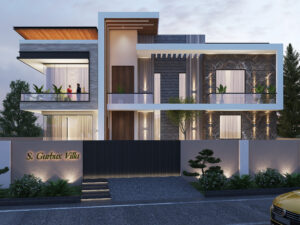
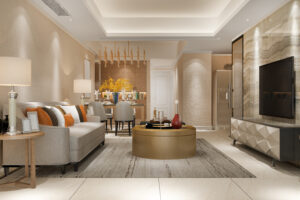
Residential architecture in India is undergoing a quiet but powerful transformation. What was once limited to aesthetics and basic functionality has now expanded into intelligent, responsive living environments. With the rise of smart devices, automation systems, and energy-efficient technologies, modern homes are no longer just structures—they are becoming adaptive ecosystems designed around convenience, sustainability, and lifestyle comfort.
For homeowners, especially in rapidly growing urban regions, smart technology is no longer a luxury feature reserved for premium villas. It is increasingly becoming an expected part of contemporary residential design. From automated lighting and climate control to integrated security systems, technology is influencing how architects plan, design, and execute residential spaces across India.
The Shift Toward Intelligent Living
Over the past few years, Indian homeowners have become more aware of how technology can improve daily living. Busy urban lifestyles, rising energy costs, and growing security concerns have all contributed to the demand for smarter homes.
Architects today are responding by integrating smart planning right from the conceptual stage. Instead of treating automation as an afterthought, modern residential design now considers wiring pathways, device placement, and system compatibility during the early architectural planning phase. This proactive approach ensures that homes remain future-ready and adaptable to evolving technologies.
In many recent residential projects, we have observed that clients increasingly ask for homes that can be controlled remotely, monitored in real time, and optimized for energy efficiency. This shift is fundamentally reshaping how residential spaces are imagined in India.
Smart Planning Starts at the Design Stage
One of the biggest changes smart technology has brought is the need for deeper coordination between architecture, interior design, and electrical planning. A well-designed smart home begins long before devices are installed.
Architects now focus on:
- Structured cabling routes
- Dedicated automation panels
- Concealed sensor placements
- Optimized router and network zones
- Provision for future upgrades
When these elements are considered early, the home looks cleaner, performs better, and avoids expensive retrofitting later.
For example, in compact urban homes, thoughtful placement of motion sensors and automated lighting can significantly improve both energy efficiency and user comfort. Similarly, planning for centralized control hubs ensures that homeowners can easily manage multiple systems from a single interface.
Energy Efficiency Is Driving Smart Adoption
India’s climate conditions and rising electricity costs have made energy efficiency a major priority for homeowners. Smart technology plays a crucial role in helping homes consume less power without compromising comfort.
Modern residential architecture increasingly incorporates:
- Smart thermostats that adjust cooling based on occupancy
- Automated blinds that reduce heat gain
- Motion-based lighting systems
- Energy monitoring dashboards
- Solar integration with smart inverters
From our on-site experience, homes that combine passive design strategies with smart controls tend to perform significantly better in long-term energy savings. For instance, when natural ventilation planning is paired with intelligent climate control, the dependency on air conditioning can reduce noticeably.
This blend of architectural intelligence and digital automation is becoming the hallmark of future-ready homes in India.
Security and Safety Have Become Central
Another major driver behind smart home adoption is enhanced security. Homeowners today expect real-time monitoring and remote access to their property.
Modern residential designs are increasingly integrating:
- Video door phones
- Smart locks
- CCTV systems with mobile access
- Motion detection alerts
- Fire and gas leak sensors
Instead of adding these systems later, architects now design entry points, boundary walls, and circulation spaces with security technology in mind. Proper camera angles, concealed wiring, and secure equipment zones ensure both effectiveness and visual cleanliness.
In many of our residential planning discussions, families—especially those living in independent homes—prioritize layered security systems that provide peace of mind without making the home feel overly commercial or mechanical.
Smart Homes and the Indian Lifestyle
What makes smart residential architecture in India unique is the need to balance technology with cultural living patterns. Indian homes often have multi-generational families, domestic help movement, and flexible room usage.
Because of this, smart design in India must remain practical and intuitive. Over-automation without understanding user behavior can actually reduce comfort.
Successful smart residential planning considers:
- Easy manual overrides for elderly users
- Zoned automation for large families
- Guest-friendly control systems
- Voice control compatibility
- Simple mobile interfaces
In several residential projects, we have seen that homeowners prefer systems that enhance convenience without becoming complicated. The goal is not to create a “tech-heavy” house but a tech-smart home that quietly supports everyday living.
Future Trends Shaping Indian Homes
Looking ahead, smart technology will continue to influence residential architecture in several exciting ways.
We are already seeing growth in:
- AI-based home management systems
- Predictive energy optimization
- Integrated home health monitoring
- Smart water management
- EV charging provisions in home design
- Voice-first home environments
As these technologies become more affordable, even mid-segment residential projects in India will begin incorporating advanced automation features.
Architects who stay ahead of these trends and integrate them thoughtfully into spatial planning will be better positioned to create homes that remain relevant for the next decade.
Designing Smart Homes the Right Way
While smart technology offers tremendous benefits, its success depends heavily on proper architectural integration. Poor planning can lead to cluttered systems, unreliable performance, and expensive maintenance.
Homeowners should always ensure:
- Technology is planned during the design phase
- Systems are scalable for future upgrades
- Wiring infrastructure is well-organized
- User experience remains simple
- Energy efficiency is prioritized alongside automation
When smart features are layered onto a well-designed architectural foundation, the result is a home that is not only modern but also deeply comfortable and efficient.
Final Thoughts
Smart technology is no longer a futuristic concept in Indian residential architecture—it is quickly becoming the new standard. As lifestyles evolve and homeowners seek greater control, efficiency, and security, the role of intelligent design will only grow stronger.
The most successful homes of the future will not be those filled with gadgets, but those where architecture and technology work together seamlessly. Thoughtful planning, user-centric design, and future-ready infrastructure are what truly define a smart home in today’s India.
For homeowners planning a new house or renovating an existing one, this is the right time to think beyond traditional layouts and embrace a more intelligent approach to residential design.