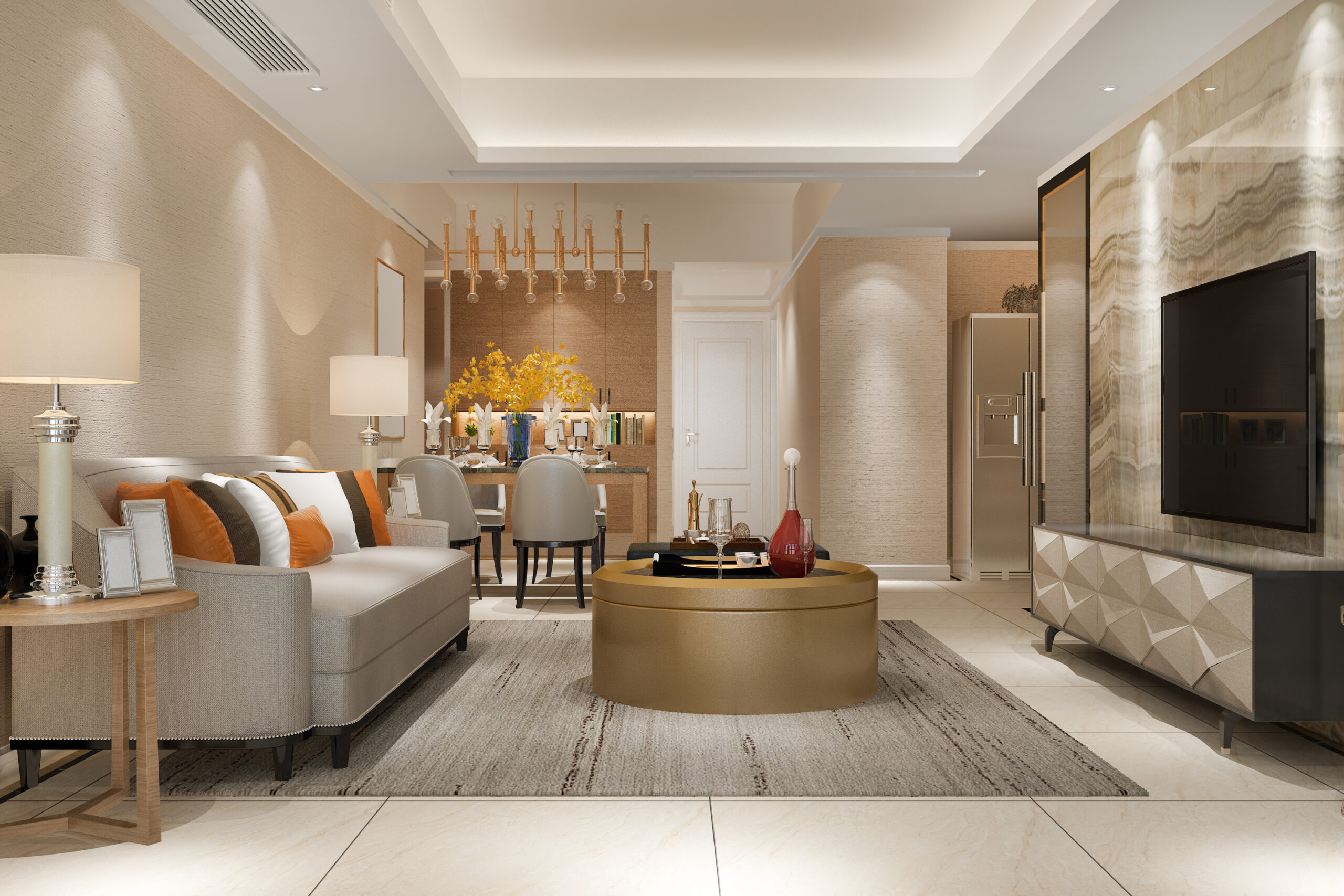
When people imagine a well-designed home, they often picture beautiful interiors, elegant finishes, and modern layouts. But once daily life begins—morning routines, family gatherings, work-from-home schedules—the real test of design appears. A home that looks impressive but feels inconvenient quickly loses its charm.
True residential design is not about choosing between style and comfort. It is about bringing the two together, so the home looks refined while supporting the everyday needs of the people living in it.
Design Starts with Daily Living, Not Trends
One of the most common design mistakes is planning a home around trends rather than routines. A stylish house that ignores how residents move, work, relax, and interact often feels uncomfortable over time.
Balanced residential design begins with understanding daily habits:
- How the family spends time together
- Where privacy is needed
- How often spaces are used
- How storage affects cleanliness
When a home is designed around real-life movement and behaviour, style naturally follows function.
Comfort Comes from Flow, Not Just Space
Many homeowners believe larger spaces automatically mean comfort. In reality, flow matters more than size. A smaller home with a well-planned layout can feel far more comfortable than a large house with awkward circulation.
Smooth transitions between rooms, clear pathways, and logical zoning create ease of movement. Living spaces should feel connected, while bedrooms and private areas should feel protected and calm. This balance creates a sense of order that enhances both comfort and visual appeal.
Simplicity Is the Foundation of Style
Overdesigned spaces often feel overwhelming. Homes that balance style and comfort usually follow a simple design language—clean lines, restrained detailing, and consistent materials.
Simplicity allows:
- Better maintenance
- Visual calm
- Timeless appeal
- Flexible personalization over time
Instead of focusing on decorative excess, good residential design lets proportion, light, and material quality speak for themselves.
Natural Light Shapes the Mood of a Home
Few designs elements influence comfort as powerfully as natural light. Homes that receive adequate daylight feel energetic in the morning and relaxed in the evening.
Strategic window placement, internal courtyards, and open layouts allow sunlight to travel deeper into interiors. This not only improves comfort but also enhances architectural character. Spaces feel alive, warm, and welcoming—without relying heavily on artificial lighting.
Materials That Feel Good to Live With
A stylish finish may look impressive on the first day but become impractical over time. Residential design that balances comfort focuses on materials that age gracefully and feel good to use daily.
Textured walls, warm flooring, breathable surfaces, and matte finishes often outperform glossy, high-maintenance options. When materials are selected with lifestyle in mind, the home remains elegant without constant upkeep stress.
Furniture Planning Is Part of Architecture
Comfortable homes are not created after construction—they are planned from the beginning. Furniture placement should be considered during the design stage, not as an afterthought.
Well-designed homes account for:
- Seating depth and movement space
- Storage needs without visual clutter
- Flexibility for changing layouts
This approach ensures rooms feel spacious, organized, and functional while maintaining visual balance.
Bedrooms Designed for Rest, Not Display
In many homes, bedrooms are styled to impress rather than to relax. However, the most successful bedroom designs prioritize comfort over decoration.
Soft lighting, proper ventilation, acoustic comfort, and thoughtful storage create a restful environment. When visual elements support calmness rather than distraction, the bedroom becomes a true retreat rather than just a styled space.
Kitchens as Everyday Living Spaces
The kitchen is no longer a hidden utility zone. It is one of the most frequently used spaces in a home. Comfortable kitchen design focuses on efficiency, accessibility, and clarity.
Clear work zones, practical storage, good lighting, and easy-to-clean surfaces improve daily usability. When combined with clean design lines and balanced proportions, kitchens feel stylish without feeling rigid or cold.
Connecting Indoors with the Outdoors
Comfort increases when homes allow residents to stay connected with nature. Even small balconies, terraces, or courtyards provide visual relief and fresh air.
Architectural designs that integrate outdoor spaces into daily living improve mental well-being and enhance spatial quality. These spaces don’t need to be elaborate—simple, usable outdoor areas often make the biggest impact.
Designing for Change Over Time
A truly comfortable home adapts as life changes. Families grow, work patterns shift, and needs evolve. Residential design should allow flexibility without major reconstruction.
Spaces that can change function, durable materials, and adaptable layouts ensure long-term comfort. This future-ready mindset keeps the home relevant and functional for years.
Conclusion
Residential design that balances style and comfort is not about making bold statements—it’s about creating harmony. A well-designed home feels intuitive, welcoming, and effortless. It supports everyday life while quietly reflecting personal taste and architectural clarity.
When comfort guides design decisions and style follow with restraint, the result is a home that doesn’t just look good—but truly feels right.