The way we design our homes has a direct impact on how we live, how much energy we consume, and how comfortable we feel every day. As cities grow and climates become more unpredictable, sustainable and climate-responsive design is no longer a luxury—it is a practical necessity.
Many homeowners assume sustainability means expensive technology or complicated systems. In reality, the foundation of a sustainable home begins with smart planning. Simple architectural decisions can significantly improve comfort, reduce energy use, and create healthier living spaces.
A well-designed home works with the environment, not against it.
Designing With Climate in Mind
Every region has its own climate patterns, and good architecture responds to them. In North India, for example, homes must handle hot summers, monsoons, and cold winters. Designing without considering these factors often leads to uncomfortable indoor conditions and higher energy bills.
Climate-responsive planning looks at:
- Sun direction
- Wind patterns
- Seasonal temperature changes
- Rainfall and humidity levels
When these elements guide design, homes stay naturally cooler in summer and warmer in winter.
The Importance of Building Orientation
One of the simplest yet most powerful design strategies is proper orientation. The direction a home faces affects how much sunlight and heat it receives throughout the day.
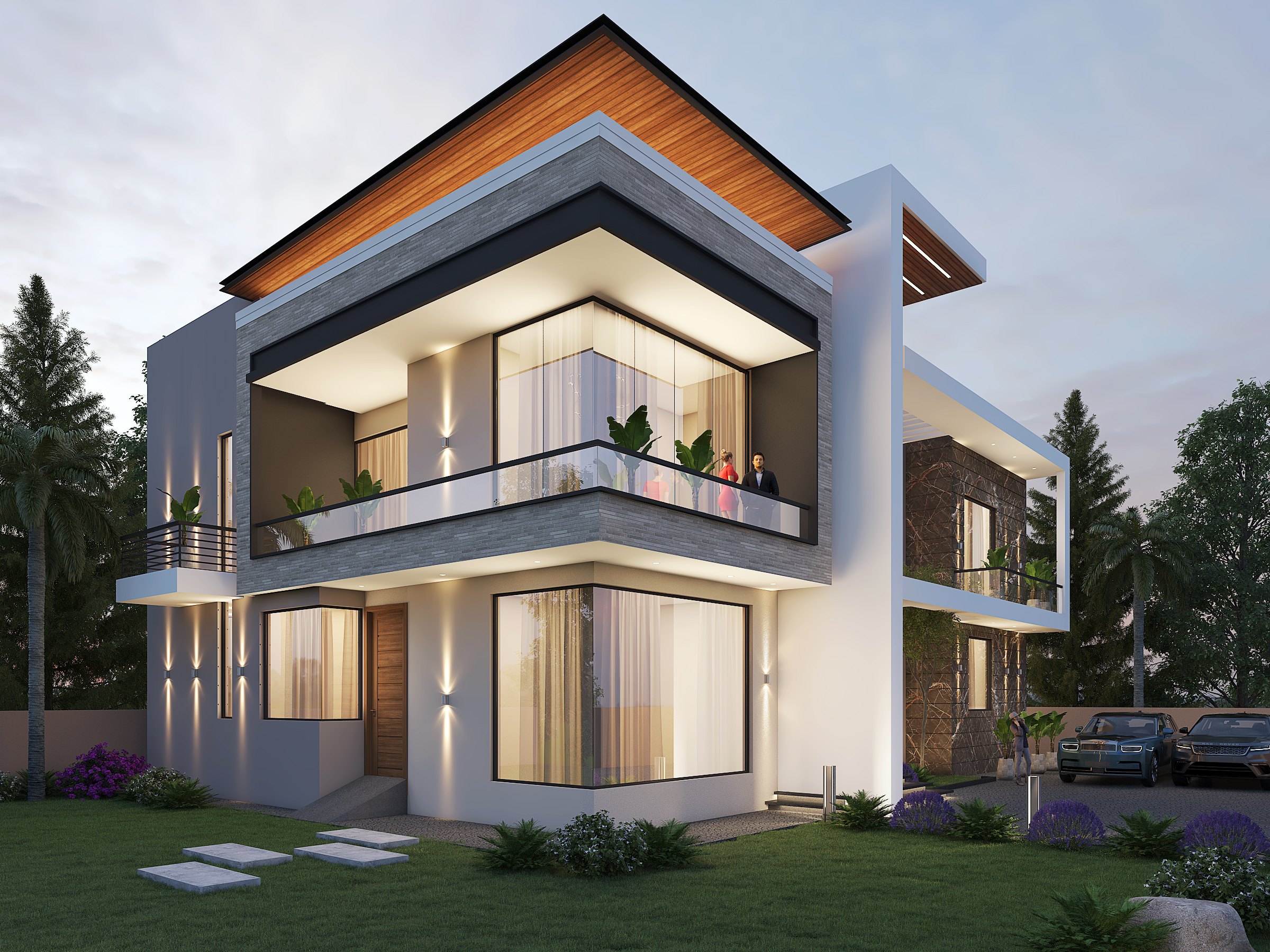
For example, controlled southern exposure can bring in winter sunlight, while shading devices can block harsh summer sun. Thoughtful placement of windows and walls reduces heat gain and improves natural lighting.
This reduces the need for artificial cooling and lighting, making the home more energy efficient.
Natural Ventilation Makes a Big Difference
A well-ventilated home feels fresher and healthier. Cross ventilation—where air enters from one side and exits from another—helps maintain airflow and reduce indoor heat.
Designing openings at the right height and position allows hot air to escape while bringing in cooler air. Courtyards, balconies, and ventilated staircases can further improve airflow.
Homes that “breathe” naturally are more comfortable and depend less on mechanical systems.
Smart Use of Materials
Sustainable design also depends on choosing the right materials. Locally available materials often perform better in regional climates and reduce transportation impact.
Materials with good thermal properties help maintain indoor comfort. For example:
- Brick and stone provide thermal mass
- Natural wood adds insulation and warmth
- Reflective surfaces reduce heat absorption
Durable materials also reduce long-term maintenance and replacement needs.
Daylighting Without Overheating
Natural light improves mood, productivity, and overall well-being. However, too much direct sunlight can cause glare and heat buildup.
Climate-responsive homes use shading devices, screens, and window placement to bring in soft, diffused light. Skylights, light shelves, and shaded openings allow daylight without excessive heat.
Balanced daylighting reduces electricity use and creates pleasant interiors.
Water and Landscape Planning
Sustainability extends beyond the building itself. Landscape design and water management also play important roles.
Simple strategies include:
- Rainwater harvesting
- Permeable paving
- Native plants that require less water
- Shaded outdoor areas that reduce surrounding heat
Green spaces around a home improve microclimate and enhance comfort.
Long-Term Benefits for Homeowners
A climate-responsive home is not just environmentally responsible—it is financially sensible. Lower energy use means reduced utility bills. Better ventilation and lighting improve health and comfort. Durable materials lower maintenance costs.
These homes also tend to retain value better because buyers increasingly appreciate efficiency and sustainability.
Sustainability Is About Smart Choices
Many people associate sustainable design with expensive technology, but the truth is simpler. The most effective solutions often come from thoughtful planning rather than costly gadgets.
A well-oriented layout, good ventilation, proper shading, and smart material selection can achieve remarkable results without increasing the budget significantly.
A Balanced Approach to Modern Living
Sustainable homes do not compromise on aesthetics or comfort. In fact, they often feel more connected to nature and more pleasant to live in. Architecture that respects climate and context creates spaces that age well and remain functional for decades.
As awareness grows, more homeowners are choosing design approaches that support both lifestyle and environment. This shift is a positive step toward responsible and future-ready living.
Conclusion
Sustainable and climate-responsive design is ultimately about balance—between comfort and efficiency, modern needs and natural systems. When homes are planned thoughtfully, they consume less energy, feel more comfortable, and create a healthier environment for families.
Good architecture is not just about how a home looks today, but how well it performs tomorrow. Designing with climate in mind ensures that homes remain livable, efficient, and meaningful for years to come.