Over the past decade, minimalist architecture has gained popularity among homeowners who prefer calm, clutter-free living environments. While the concept may appear simple at first glance, true minimalism in architecture requires careful planning and thoughtful design decisions.
Minimalist homes focus on clarity, functionality, and purposeful spaces. Instead of filling a house with unnecessary elements, the design highlights natural light, clean lines, and efficient layouts.
From professional experience in residential projects, minimalist homes often feel more spacious and comfortable even when built on modest plot sizes.
Understanding the Philosophy of Minimalist Design
Minimalist architecture is based on the idea that less can often achieve more. The goal is not to remove character from a home but to focus on essential elements that improve everyday living.
Key principles include:
- Clean architectural lines
- Balanced proportions
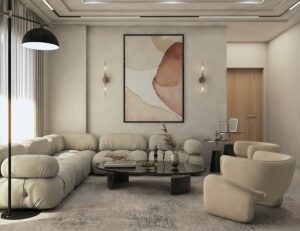
- Neutral color palettes
- Functional layouts
- Open and uncluttered spaces
When these elements work together, the home feels calm, organized, and visually harmonious.
Why Minimalist Homes Feel More Spacious
One of the most noticeable benefits of minimalist architecture is the sense of openness it creates.
This happens because minimalist design typically includes:
- Fewer internal partitions
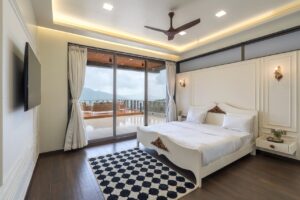
- Large windows for natural light
- Integrated storage solutions
- Continuous flooring materials
These elements reduce visual clutter and allow spaces to flow naturally from one area to another.
Many homeowners seeking residential architects in Jalandhar today specifically request minimalist interiors because they make everyday living easier to manage.
Functionality Over Decoration
Traditional homes often relied heavily on decorative elements. While decoration still has its place, modern minimalist architecture emphasizes functionality first.
Examples include:
- Built-in storage instead of bulky furniture
- Hidden service areas
- Efficient kitchen layouts
- Integrated lighting solutions
This approach ensures that every element inside the home serves a practical purpose.
Natural Light as a Design Feature
Minimalist architecture uses natural light as a central design element. Large windows, skylights, and open layouts allow daylight to illuminate interior spaces naturally.
This not only improves the visual quality of the house but also reduces the need for artificial lighting during the day.
Homes designed by an experienced architect in Chandigarh Mohali region often incorporate large openings and carefully positioned windows to maximize daylight without causing excessive heat gain.
The Role of Materials and Textures
Minimalist homes rely heavily on natural materials to create visual warmth. Instead of using many decorative finishes, architects often highlight the beauty of a few carefully chosen materials.
Common materials include:
- Natural wood
- Stone surfaces
- Concrete textures
- Neutral tiles
These materials add depth to the design while maintaining a clean overall aesthetic.
Minimalism and Low Maintenance
Another practical advantage of minimalist homes is easier maintenance. Because the design avoids excessive decorative elements, cleaning and upkeep become simpler.
Homeowners often appreciate:
- Reduced clutter
- Easier cleaning routines
- Long-lasting materials
- Timeless design aesthetics
This makes minimalist architecture particularly attractive for busy families.
Final Thoughts
Minimalist architecture is not about creating empty spaces. It is about designing homes where every element has purpose and contributes to a comfortable living environment.
When simplicity is combined with thoughtful architectural planning, the result is a home that feels calm, efficient, and timeless.
For many modern homeowners, minimalism offers the perfect balance between contemporary style and practical living.