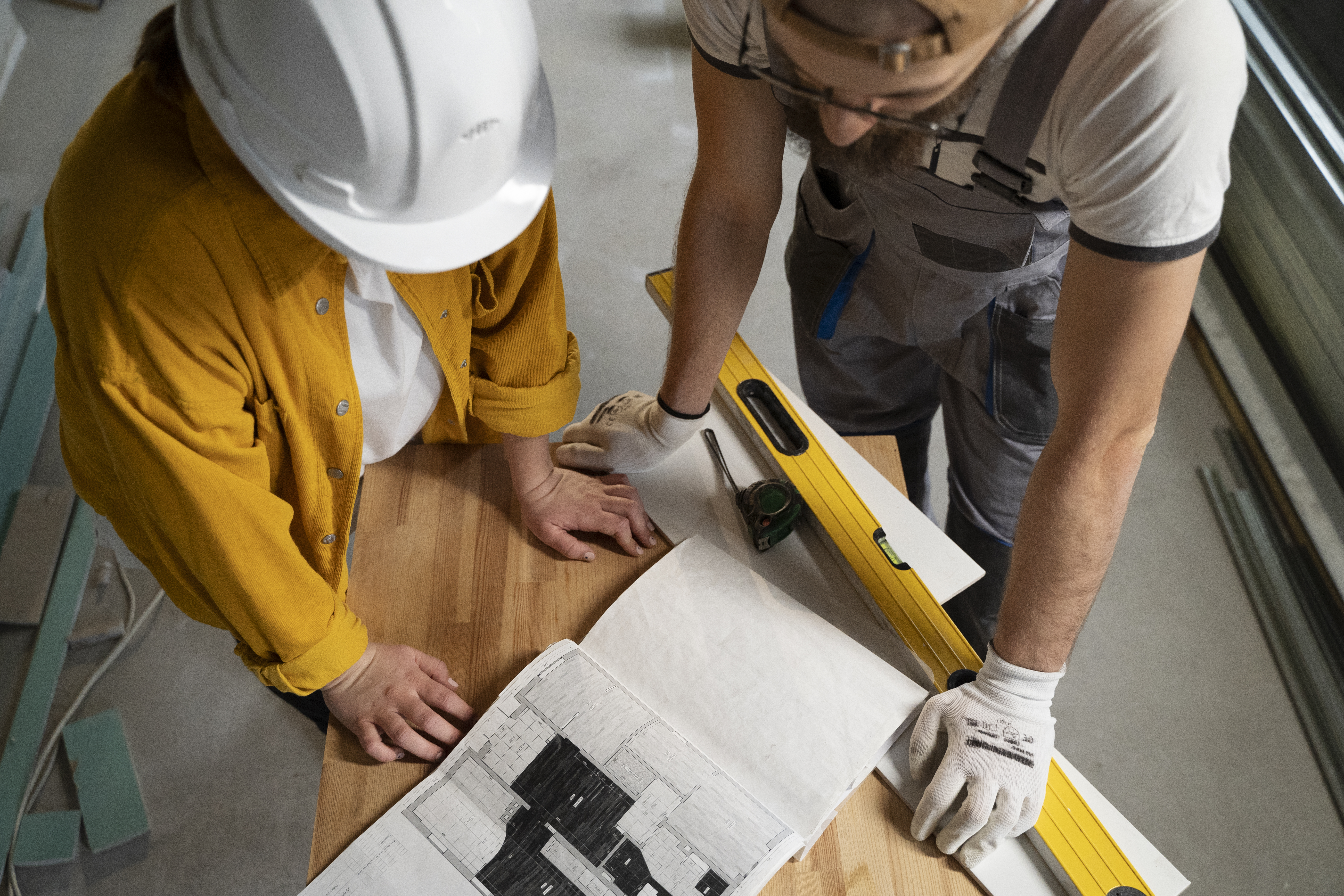
Architecture has always relied on drawings, sketches, and physical models to communicate design ideas. However, modern technology is changing how architects present their concepts to clients.
One of the most exciting developments in the field is the use of virtual reality (VR). This technology allows homeowners to experience their future home in an immersive digital environment before construction even begins.
Virtual reality is gradually transforming the way architectural projects are discussed, refined, and approved.
What Is Virtual Reality in Architecture?
Virtual reality in architecture involves creating a fully interactive digital model of a building that clients can explore using VR devices or interactive screens.
Instead of looking at flat drawings, homeowners can:
- Walk through rooms virtually
- Observe lighting conditions
- Understand spatial relationships
- Experience room proportions
This immersive experience helps clients understand the design much more clearly.
Improving Communication Between Architects and Clients
One of the biggest challenges in architectural design is helping clients visualize how the finished building will look.
Traditional 2D drawings often require technical understanding, which can make it difficult for homeowners to imagine the final result.
Virtual reality simplifies this process by allowing clients to see the design almost as if it were already built.
From professional experience, this significantly improves communication between designers and homeowners because:
- Design feedback becomes more accurate
- Layout changes are easier to understand
- Clients feel more confident about decisions
Reducing Design Errors Before Construction
Another major advantage of VR technology is the ability to identify potential design issues before construction begins.
For example, clients can quickly notice:
- Spaces that feel too small
- Windows that do not provide enough light
- Circulation paths that feel awkward
Addressing these concerns during the design stage saves both time and construction costs later.
Enhancing the Home Design Process
Virtual reality also helps homeowners become more involved in the design process. Instead of relying only on technical drawings, they can actively participate in shaping their future home.
This collaborative process often results in better design outcomes because decisions are based on real visual experiences rather than assumptions.
Many modern architecture firms now use VR as a tool to help clients better understand their projects before finalizing the design.
Homeowners consulting residential architects are increasingly interested in visual tools that make design discussions easier and more transparent.
The Future of Architectural Visualization
While virtual reality is still evolving, it is expected to become a standard part of architectural design in the coming years.
As technology improves, future design presentations may include:
- Real-time design adjustments
- Interactive material selections
- Simulated lighting conditions throughout the day
- Integration with smart home planning tools
These innovations will allow homeowners to make more informed decisions before construction begins.
Final Thoughts
Virtual reality is transforming the architectural design process by making it more interactive, transparent, and client-friendly.
By allowing homeowners to experience their future home before it is built, VR reduces uncertainty and improves communication between architects and clients.
As technology continues to evolve, tools like virtual reality will play an increasingly important role in shaping the future of residential architecture.